
Letters From Palestine
Documentary
Credits
- Directed / Camera Ludovica Fales
- Editor Renata Czinkotai
- Sound Editor Nikola Zivojinovic
- Online Editor & Colourist Andy Quinn
- Music Alcyona Mick
- Performer Merit Ariane Stephanos & Stuart Hall
PRESS
- Highlights at Pravo Ljudski Film Festival Sarajevo 2012
- Review on Press Tv (17th of September 2012)
- Ludo and The Real Social Network in an article on LABKULTUR.TV
- Rebellious Media Conference, London, Oct 2011
- The Real Social Network @ Vision On TV
- Take control over information @ ETC
- The Real Social Network Debate @ OWR 2012
- Anarchy in 140 Characters @ Das Cloud
- The Power of the Internet @ One World Doc Fest
- The Real Social Network @ One World Doc Fest
MORE INFO
- Produced by National Film and Television School
- Filmed in Italy, Israel, Palestine
- Languages Italian, Arabic, Hebrew with English subtitles
- Subtitles Versions with English and Italian subtitles
SCREENINGS
- INHA, Paris, France, January 2017
- JW3, London, Uk, December 2015
- Teatro Scuderie Villino Corsini, Villa Pamphili/ Zetema, Rome, Italy, June 2014
- Circolo Milk as part of ‘Building Histories”, Verona, Italy, June 2014
- Festival Cine y Derechos Humanos, Lima, Peru’, February 2014
- All year long In the Sky as part of Virgin Atlantic Film Festival in the Sky 2013, In the Sky
- 20th May 2013, Human Rights Film Festival Barcelona/ Paris/ NY, Cinemes Malda’, Barcelona, Spain
- 30th September 2012, Royal Anthropological Society, London, Uk
- July 2012, Arcipelago Film Festival, Cinema Intrastevere, Rome, Italy
- October 2011, Freezone Human Right Film Festival, Kulturni Centar Beograda, Belgrade, Serbia
- February 2011, British Film Institute, London, Uk
Media
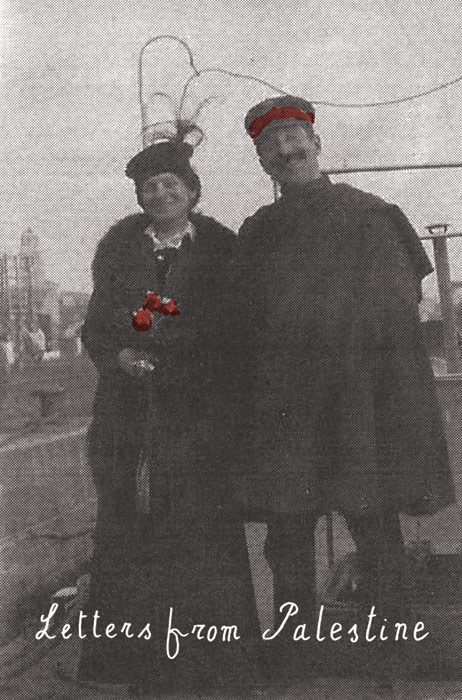

Letters From Palestine
2011, 35 mins 44 sec
Documentary
- Official selection at Arcipleago Film Festival, Rome, 2012
- Shortlisted at Virgin Atlantic Film Festival In The Sky, 2013
- Official Selection Human Rights Film Festival Barcelona/ Paris/ NY 2013
We all belong to a past - a past that can bury us unless we excavate it. A journey into the unresolved questions of the Middle Eastern Conflict and into the death of a man in the 1920s who believed in the dream of a land shared by Arabs, Jews and Christians.
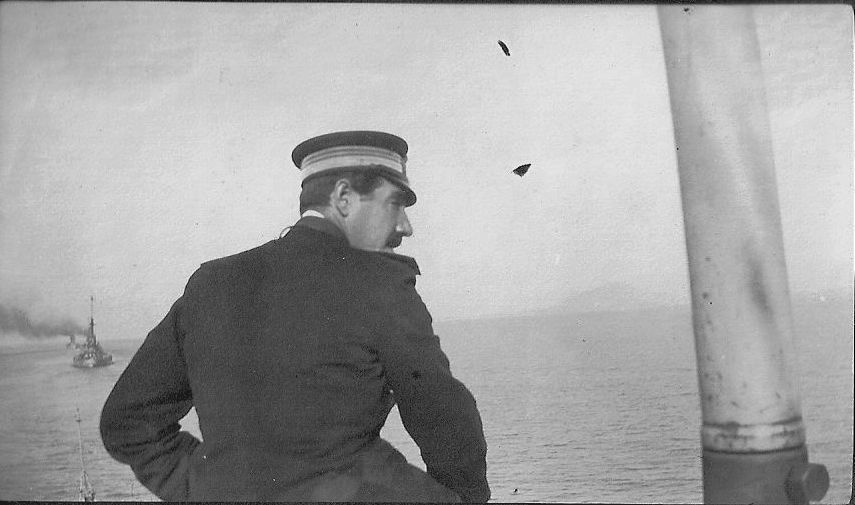
Imagine discovering an unsolved family mystery in your great-grandfather’s letters – a mystery nobody in your family wants to talk about. My great-grandfather, Angelo Levi Bianchini, set out for Palestine on a diplomatic mission in the 1920s and never came back.
After spending a few months in Palestine, he had become a vocal advocate for Jewish-Arab coexistence but his views were often unpopular. To his ninety year old daughter Angela, my grandmother, the mystery of his death remains an open wound.
This is the story of a journey into the unresolved questions of the Middle Eastern conflict which are still being addressed today, ninety years after my great-grandfather’s journey. In a land divided by a wall that in his time would have been unthinkable, today it seems that his dream has been destroyed forever. But in this ongoing state of conflict – the power of his voice still resonates.
Quindici anni dopo “Lettere dalla Palestina”
Contro la storia rimaneggiata: il caso di Angelo Levi Bianchini
di Ludovica Fales
In un tempo in cui la storia viene tagliata, piegata e cucita su misura per adattarsi ai discorsi dominanti, la memoria dei singoli – soprattutto quando non allineata – è a rischio di estinzione.
Ma peggio ancora è quando viene cooptata, addomesticata, spogliata della sua complessità per diventare funzionale a narrazioni semplificate.
Questo è esattamente ciò che sta accadendo, oggi, con la figura di mio bisnonno Angelo Levi Bianchini: un diplomatico italiano inviato in Palestina nel 1918, osservatore attento e voce dissonante in uno dei momenti più delicati della storia mediorientale del Novecento. Un uomo che, nei suoi scritti privati, seppe vedere – molto prima di altri – i limiti profondi e le derive pericolose del progetto sionista, così come veniva messo in atto sul campo in quel periodo storico.
Eppure oggi, nel 2025, a distanza di oltre cent’anni e in un contesto geopolitico radicalmente e drammaticamente diverso, alcuni storici – lo celebrano come sionista convinto, arrivando persino a minimizzare l’impatto delle parole da lui stesso scritte in un ampio epistolario familiare e dunque di particolare affidabilità, in favore di ricostruzioni basate su fonti giornalistiche dell’epoca, non contestualizzate e spesso segnate / condizionate dal clima politico dominante.
È una distorsione che confina con una vera falsificazione. E come accade spesso in queste situazioni, parte da un frammento di verità.
L’ambiguità delle origini
Quando mio bisnonno arrivò in Palestina nel 1918, lo fece come osservatore per conto del Ministero degli Esteri italiano. Fu affiliato alla Commissione Sionista guidata da Weizmann come delegato italiano, con un ruolo di mediazione tra le comunità ebraiche (askenazite e sefardite) e le realtà arabe locali. Fu apprezzato per la sua capacità di dialogo e conciliazione.
Nel 1917, il governo britannico aveva appena rilasciato la Dichiarazione Balfour, promettendo l’instaurazione in Palestina di una “casa nazionale per il popolo ebraico”, a condizione che ciò non pregiudicasse “i diritti civili e religiosi delle comunità non ebraiche esistenti nel paese”.
Una formula apparentemente inclusiva, ma in realtà ambigua e foriera di contraddizioni. La popolazione araba costituiva allora circa il 90% degli abitanti della Palestina.
Il progetto sionista – guidato principalmente da leader dell’Europa centro-orientale – puntava a un reinsediamento ebraico di massa, ispirato a un’ideologia nazionalista e modernizzatrice, e fortemente sostenuto dalla protezione coloniale britannica.
Mio bisnonno, colto, poliglotta, e inizialmente aperto a quella visione, fu colpito dalla forza morale del sionismo: una risposta al trauma dell’antisemitismo europeo, un sogno di autodeterminazione e riscatto.
Ma quella visione, col tempo, si incrinò.
La realtà sul campo
Non passò molto tempo prima che si rendesse conto che il sogno sionista, calato nella realtà coloniale e pluralistica della Palestina, si stava trasformando in un progetto di egemonia.
La cooperazione con le popolazioni arabe era inesistente. I fondi provenienti dalle organizzazioni sioniste europee servivano ad acquistare terre e a costruire insediamenti esclusivi. Le proprietà arabe venivano comprate tramite intermediari, e gli inquilini – pur vivendo da generazioni su quelle terre – venivano sfrattati nel nome del “diritto al ritorno”.
“Sono venuto pieno di speranze e di illusioni e penetro lentamente la realtà che è poco confortante; gli avvenimenti qui vanno prendendo una piega sempre più grave, dopodomani andrò in Egitto per parlare al Generale Allenby ed esporgli i pericoli futuri. Che ridicolo! Alcuni parlano della terra come se già l’avessero e non si dovesse tenere conto di coloro che la abitano. Di più ho dichiarato che non porterò alcuna arma e non ammazzerò alcuno.”
Questa consapevolezza si fece sempre più acuta. Nei mesi successivi, la posizione del mio bisnonno divenne esplicitamente critica. Aveva compreso che il progetto sionista che si stava realizzando non era inclusivo, ma esclusivo; non cercava la coabitazione, ma puntava alla sostituzione.
Poco prima della sua morte, scriveva:
“A questa corrispondente americana ho detto quello che pensavo del Sionismo e della Palestina. È la pura verità, detta secondo la mia coscienza e ripetuta a Londra e a Parigi, ma questa proclamata e pubblicata dai giornali causerà una grande sensazione e certo molte aspre critiche.”
La morte: un omicidio dai contorni misteriosi
Il 20 agosto 1920, mentre viaggiava in treno tra Damasco e Haifa, dopo un incontro con l’emiro Faisal, Levi Bianchini fu ucciso durante un attacco al convoglio.
Le circostanze rimangono oscure.
Tra le ipotesi dell’epoca: un tentativo di furto (smentito dal ritrovamento dei suoi averi), un attacco da parte di bande druse dell’Hauran – ostili all’influenza occidentale – o, quella più sostenuta dalla nostra famiglia, un omicidio politico.
Chi furono i mandanti? Fu un attacco generalizzato o un’esecuzione mirata?
Perché fu separato dagli altri passeggeri? Perché proprio lui, proprio quel giorno?
Domande che, ancora oggi, restano senza risposta certa.
La rimozione della complessità
Oggi, a oltre un secolo di distanza, le parole di mio bisnonno risultano scomode perché contengono una critica strutturale che il discorso ideologico dominante – in particolare quello occidentale acriticamente filo-israeliano – non tollera.
Le sue parole vengono selezionate, estrapolate, decontestualizzate.
Una frase di cortesia detta durante una visita ufficiale diventa “prova” del suo sostegno.
Un appunto diplomatico viene citato come testimonianza della sua “adesione entusiasta”.
È un’operazione che riteniamo e qualifichiamo senza incertezze come di distorsione se non manipolazione culturale, che trasforma un osservatore critico del passato in un testimone funzionale all’oggi.
Elogio del dubbio
Ciò che davvero disturba, oggi, non è tanto la posizione politica di mio bisnonno quanto il suo rifiuto della semplificazione.
In un’epoca in cui il sionismo veniva celebrato in Europa come l’ultimo grande sogno di emancipazione ebraica, mio bisnonno scriveva che non si può costruire una patria sulla negazione di un’altra.
E non lo scriveva per ideologia, ma per onestà intellettuale.
È questa lucidità che oggi fa paura: la lucidità di chi aveva già compreso, tra il 1919 e il 1920, che il problema non era l’idea di un rifugio per gli ebrei, ma la modalità di attuazione del sionismo, portata avanti senza ascolto, senza compromessi, con un disprezzo crescente verso la popolazione autoctona.
Storia o propaganda?
Quello che è accaduto alla memoria di mio bisnonno è un caso tra tanti, ma emblematico.
È la dimostrazione di come la storia venga piegata, oggi più che mai, per legittimare posizioni geopolitiche attuali.
La verità è un ostacolo. La complessità, un fastidio.
E allora, meglio riscrivere.
Angelo Levi Bianchini viene oggi celebrato come un “eroe sionista” postumo, senza che nessuno si sia preso la briga di leggere davvero le sue carte. È stato inglobato in un racconto preconfezionato, dove ogni dubbio è sospetto, ogni voce critica è “problematica”, ogni sfumatura viene cancellata.
Tentativo di restituire una voce
Quando ho iniziato a lavorare sul documentario Lettere dalla Palestine, nel 2011, mi sono trovata davanti a una frattura profonda tra la figura pubblica costruita attorno a lui e la sua verità privata.
Le sue lettere restituivano un uomo attraversato da dubbi profondi, da una crescente consapevolezza critica, e da una voce dissonante che rifiutava l’omologazione. Le sue critiche non erano episodiche, ma strutturali: denunciava l’esclusione sistematica della popolazione araba e il carattere coloniale dell’insediamento ebraico in Palestina.
Quelle parole mi hanno obbligata ad aprire uno spazio critico proprio a partire dalla sua voce.
Il film è diventato così un dialogo tra passato e presente, tra la scrittura di un uomo disilluso e le testimonianze contemporanee di chi vive oggi sotto occupazione.
In questo intreccio ho voluto far emergere quanto le sue parole fossero profetiche rispetto alla direzione che il progetto sionista avrebbe preso – e che oggi, alla luce del massacro e dell’assedio di Gaza, è più che mai necessario riconoscere e interrogare.
Una voce critica, silenziata allora, e il cui messaggio ancora oggi si tenta di distorcere.
ENGLISH
Fifteen Years After Letters from Palestine
Against the Rewritten History: The Case of Angelo Levi Bianchini
by Ludovica Fales
In a time when history is cut, bent, and stitched to fit dominant narratives, the memory of individuals—especially when unaligned—is at risk of extinction.
Even worse is when it is co-opted, domesticated, stripped of its complexity to serve simplified stories.
This is exactly what is happening today with the figure of my great-grandfather, Angelo Levi Bianchini: an Italian diplomat sent to Palestine in 1918, a careful observer and dissenting voice during one of the most delicate moments in the Middle East’s 20th-century history. A man who, in his private writings, was able to see—long before others—the deep flaws and dangerous turns of the Zionist project, as it was being implemented on the ground during that historical period.
And yet today, in 2025, more than a century later and in a radically and tragically different geopolitical context, some historians celebrate him as a convinced Zionist, even going so far as to downplay the impact of his own words, written in a large body of family correspondence and thus particularly reliable, in favor of reconstructions based on journalistic sources from the time—uncontextualized and often influenced by the prevailing political climate.
This is a distortion bordering on outright falsification.
And as often happens in these cases, it starts with a fragment of truth.
The Ambiguity of Origins
When my great-grandfather arrived in Palestine in 1918, it was as an observer for the Italian Ministry of Foreign Affairs. He was affiliated with the Zionist Commission led by Weizmann as the Italian delegate, with a mediating role between the Jewish communities (Ashkenazi and Sephardi) and the local Arab populations. He was appreciated for his ability to foster dialogue and reconciliation.
In 1917, the British government had just issued the Balfour Declaration, promising the establishment of a “national home for the Jewish people” in Palestine, provided that this would not harm “the civil and religious rights of existing non-Jewish communities in the country.”
An apparently inclusive formula, but in reality ambiguous and full of contradictions. At the time, Arabs made up about 90% of Palestine’s population.
The Zionist project—driven primarily by leaders from Central and Eastern Europe—aimed for mass Jewish resettlement, inspired by a nationalist and modernizing ideology, and heavily supported by British colonial protection.
My great-grandfather, an educated polyglot and initially open to that vision, was struck by the response to the trauma of European antisemitism, a dream of self-determination and redemption.
But that vision, over time, began to fracture.
The Reality on the Ground
It wasn’t long before he realized that the Zionist dream, when applied to the colonial and pluralistic reality of Palestine, was turning into a project of hegemony.
There was no cooperation with the Arab populations. Funds from European Zionist organizations were used to buy land and build exclusive settlements. Arab-owned lands were purchased through intermediaries, and the tenants—despite having lived on those lands for generations—were evicted in the name of the “right of return.”
“I came full of hope and illusions and am slowly penetrating a reality that is far from comforting; events here are taking an increasingly serious turn. The day after tomorrow I will go to Egypt to speak with General Allenby and explain the future dangers. How ridiculous! Some speak of the land as if it were already theirs and as if the people who live on it didn’t count. Furthermore, I have declared that I will not carry any weapons and will not kill anyone.”
This awareness grew sharper over time. In the following months, my great-grandfather’s stance became explicitly critical. He had come to understand that the Zionist project being realized was not inclusive, but exclusive; it did not seek coexistence, but rather replacement.
Shortly before his death, he wrote:
“To this American correspondent, I said what I thought about Zionism and Palestine. It’s the pure truth, said according to my conscience and repeated in London and Paris, but once proclaimed and published by the newspapers, it will cause a great stir and certainly much harsh criticism.”
Death: A Murder with Mysterious Circumstances
On August 20, 1920, while traveling by train between Damascus and Haifa after a meeting with Emir Faisal, Levi Bianchini was killed during an attack on the convoy.
The circumstances remain unclear.
Theories at the time included: a robbery attempt (disproven, as his belongings were found), an attack by Druze bands from the Hauran region—hostile to Western influence—or, as most supported by our family, a political assassination.
Who ordered it? Was it a random attack or a targeted execution?
Why was he separated from the other passengers? Why him, and why that day?
Questions that remain unanswered to this day.
The Erasure of Complexity
Today, more than a century later, my great-grandfather’s words are uncomfortable because they carry a structural critique that the dominant ideological narrative—particularly the **uncritically pro-Israeli** one in the West—cannot tolerate.
His words are cherry-picked, extracted, decontextualized.
A polite phrase said during an official visit becomes “proof” of his support.
A diplomatic note is cited as evidence of his “enthusiastic endorsement.”
This is, without hesitation, what we call a distortion, if not outright cultural manipulation, turning a critical observer of the past into a convenient witness for the present.
In Praise of Doubt
What truly disturbs today is not so much my great-grandfather’s political stance, but his refusal to simplify.
At a time when Zionism was being celebrated in Europe as the last great dream of Jewish emancipation, my great-grandfather wrote that you cannot build a homeland on the denial of another.
And he didn’t write that out of ideology, but out of intellectual honesty.
It is this clarity of thought that frightens today: the clarity of someone who had already understood, between 1919 and 1920, that the problem was not the idea of a refuge for the Jews, but the way Zionism was being implemented—carried out without listening, without compromise, with growing contempt for the native population.
History or Propaganda?
What happened to the memory of my great-grandfather is one case among many—but an emblematic one.
It shows how history is bent, now more than ever, to legitimize current geopolitical positions.
Truth becomes an obstacle. Complexity, an annoyance.
So, better to rewrite.
Angelo Levi Bianchini is today celebrated as a posthumous “Zionist hero”, without anyone bothering to actually read his papers.
He’s been absorbed into a prepackaged narrative, where every doubt is suspicious, every critical voice is “problematic,” and every nuance is erased.
A Voice, Reclaimed
When I began working on the documentary *Letters from Palestine* in 2011, I was confronted with a profound fracture between the public figure constructed around him and his private truth.
His letters revealed a man full of deep doubts, with a growing critical awareness, and a dissenting voice that rejected conformity.
His critiques weren’t sporadic; they were structural: he denounced the systematic exclusion of the Arab population and the colonial nature of Jewish settlement in Palestine.
Those words compelled me to create a critical space, starting from his voice.
The film thus became a dialogue between past and present, between the writings of a disillusioned man and contemporary testimonies of those living today under occupation.
In this interweaving, I wanted to highlight just how prophetic his words were in relation to the direction the Zionist project would take—and which today, in light of the past and current massacre and siege of Gaza, must be recognized and critically examined more than ever.
A critical voice, silenced then, whose message is still being distorted today.